
Acquire, reach and convert more opportunities
Marketing and growth specialists for the STEM sectors
Strategic marketing for science, engineering and technology organisations
STEM organisations achieve better results when their marketing is commercially grounded, structured and aligned with the way technical buyers make decisions. Leaders come to Priddey Marketing for clarity, stronger messaging and a focused plan that improves performance without wasting time or budget.

Whether you are:
A founder or senior leader building early traction and wanting a clear, credible marketing approach
or
Leading an established organisation entering a new market and needing senior marketing leadership to avoid risk
We help you gain a practical, commercially aligned plan that brings focus, saves time and improves results.
Support focuses on three core areas:
Attract and convert higher-value clients
Clarify your ideal clients, strengthen your message and create a consistent flow of the right opportunities.
Launch products & services with confidence
Plan and deliver go-to-market activity that reduces risk and builds early momentum.
Build a robust marketing function
Create structure, systems and capability so marketing runs smoothly as your organisation scales.
All work combines senior marketing leadership with real sales experience and deep understanding of how STEM businesses operate. Everything is practical, measurable and aligned to commercial goals.
Led by our CEO, Su Copeland, STEM leaders benefit from....
30+ years’ experience across science, engineering and technology
Strong commercial grounding from real sales expertise
Deep understanding of how technologists think, evaluate risk and buy
Proven track record including in emerging tech, AI, IT, MedTech, Clean Tech
Embedded in STEM ecosystem through founding OxfordSTEM.Network
Insight from advising 100s of businesses through UK government programmes
Clear, jargon-free marketing direction that drives commercial results
Senior leadership at fraction of the cost of full-time hire
"Our team was looking for a fresh approach to marketing... Definitely recommend." – MD, Ebbon Intelligence

Ready to explore whether we’re the right fit?
Book a confidential call to discuss where your business is now, what you want to achieve, and what’s getting in the way.
Our Blog
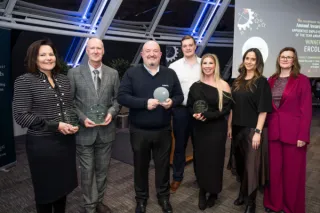
Engineering Trust Annual Awards 2026: Investing in Capability
Judging the 2026 Engineering Trust Annual Awards, highlighting the strategic value of apprenticeships in engineering and manufacturing. ...more
News
March 02, 2026•2 min read

Launch Series: Marketing and Sales Alignment
Marketing and sales alignment is the difference between generating interest and actually winning business. ...more
Launch
February 16, 2026•2 min read

Measuring What Matters: Reflections from the House of Commons on Growth Hub Impact
House of Commons launch of the ARC Growth Hub Cluster Impact Report (April 2020-March 2025). ...more
Strategy ,News
February 12, 2026•2 min read
Subscribe to
our newsletter
Bite-sized marketing insights, tips, and trends for busy leaders

Boston House, Grove Business Park,
Downsview Road, Wantage,
Oxfordshire,
OX12 9FF, UK
Company Registration Number 09401276

Copyright © 2026. All rights reserved | Privacy Policy | Cookie Policy | Terms and Conditions